
2026 Visiting Fellow Nabila Salsabila on her fellowship
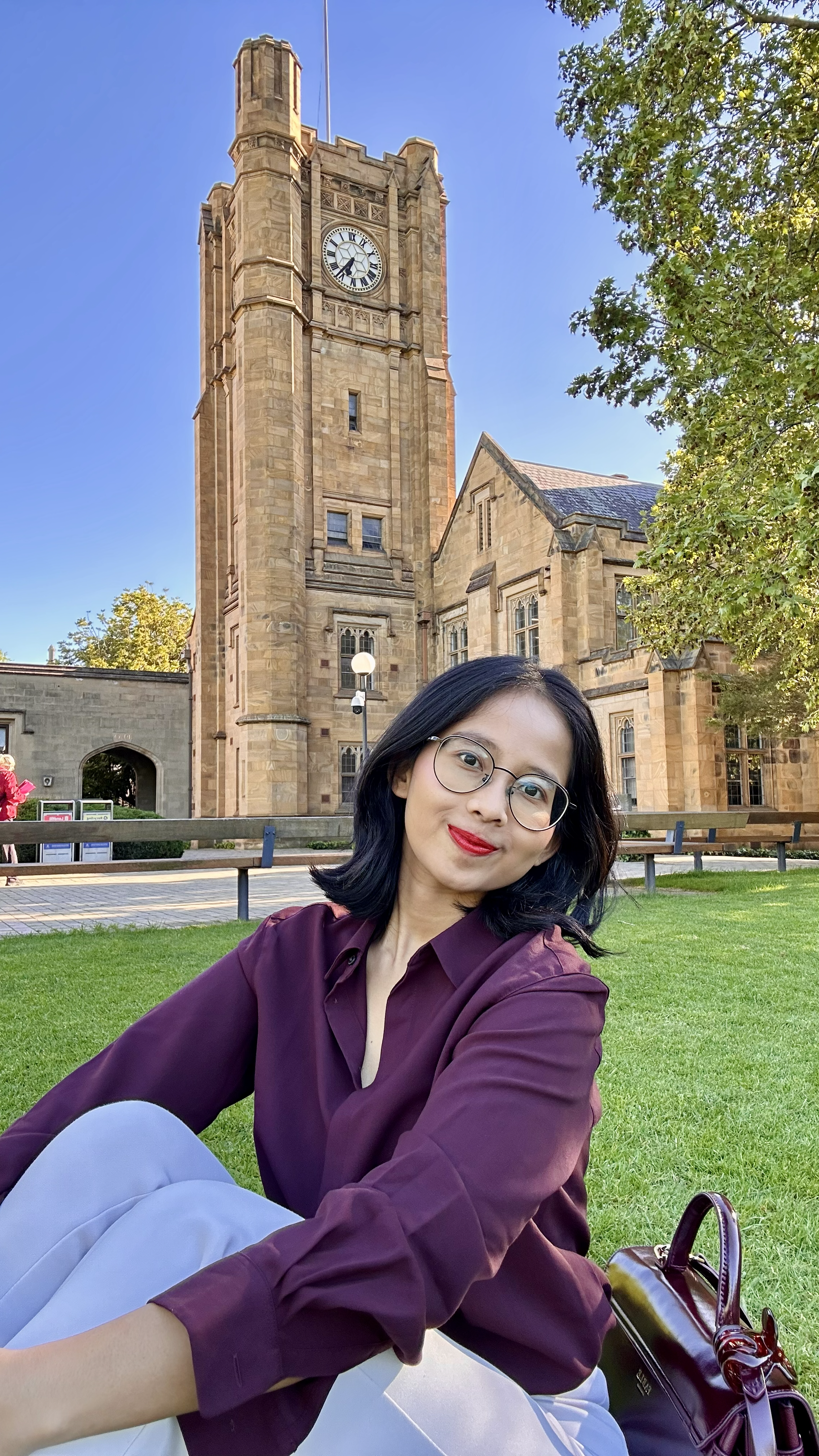
What is your research/work background?
I am a policy analyst working on climate and energy policy and the accountability of governments and companies. At NewClimate Institute in Berlin, I lead the Climate Action Tracker assessments of Indonesia and Egypt, which evaluate whether national climate policies are aligned with the Paris Agreement, and co-author the Corporate Climate Responsibility Monitor, which assesses the transparency and integrity of major companies’ climate commitments. I also work with Southeast Asian governments to position the energy transition as a pathway to sustainable development. I hold a master’s degree in Environmental Systems and Policy from ETH Zürich and a bachelor’s degree in Bioprocess Engineering from Universitas Indonesia. I previously worked in product management in Indonesia and was active in a global youth energy movement.
Can you tell us a bit about what you have been working on during your fellowship?
I developed the Climate Litigation Guide, a plain-language course on how climate cases against companies are brought, proven and decided, from Europe to the Global South. During my fellowship, I encountered many legal concepts in discussions with the team that were new to me, which prompted me to study the field more systematically. I decided to organise what I learned into a structured online guide so that others could also benefit from it. The guide features ten modules, a glossary, case summaries, links to case databases and further reading, drawing on established sources. Given that Melbourne Climate Futures Academy brings together people from different disciplines, I hope the guide can serve as an accessible starting point for those who, like me, do not have a legal background. More broadly, I hope it makes climate litigation easier to understand and encourages more people to engage with the field.
What have you most enjoyed about the fellowship?
What I have enjoyed most is the chance to exchange ideas with lawyers and legal scholars, which I could not easily find elsewhere. The fellowship exposed me to a new field, and I have learned a lot in just under eight weeks. I found it fascinating how the questions lawyers asked gave me a glimpse into their way of thinking, particularly how they approached problems from angles I would not have considered. I also appreciate how interdisciplinary the university is. At the public lectures I attended, academics from very different backgrounds discussed the same topic, which I think is important if we want to address complex problems like the climate crisis. Outside of work, I have really enjoyed Melbourne. It’s such a vibrant city, with beautiful parks, amazing food and a lively student atmosphere.
What about your experience at LPGCCA will you take back to your role?
What I will take back is a deeper understanding of how climate litigation can serve as one of the legal pathways to hold governments and companies accountable. At NewClimate Institute, we assess the credibility of climate commitments alongside the policies and actions taken to deliver them. Our work largely approaches accountability through independent research and public scrutiny. The fellowship gave me a clearer sense of how courts are increasingly used to enforce those commitments, and of the gap that can remain between a ruling and its implementation. I plan to bring this legal perspective into our accountability work. I am also grateful for the connections I made in Melbourne and hope to keep in touch. I would be very keen to contribute to future collaborations with LPGCCA.